Evaluating Cactus and Floral Clipart for Creative Projects
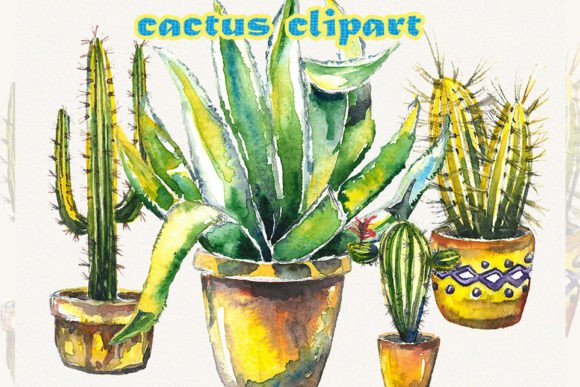
The term "Cactus Clipart, Floral Clipart, Cactus" refers to a collection of digital graphic assets featuring illustrations of cactus plants and complementary floral elements. These are typically created in a hand-painted watercolor style, offering a soft, artistic aesthetic distinct from vector graphics or photographic images. Such a collection is designed for digital download, providing users with a set of high-resolution PNG files featuring transparent backgrounds for versatile application across a wide range of personal and professional creative endeavors.
Understanding the Core Characteristics
A specific collection, as described in the prompt, consists of individual PNG image files. The key technical specifications are a resolution of 300 DPI, RGB color mode, and a transparent background. These features are critical for quality reproduction. The watercolor style implies organic textures, soft color blends, and artistic imperfections that convey a handmade feel. The size range, from approximately 7 x 11 cm to 21 x 26 cm, indicates scalability; the images can be used for small items like tags or enlarged for wall art without losing detail due to the high DPI. The format is contained within a downloadable archive, making it a one-time acquisition for multiple uses.
Reasons for Interest and Potential Benefits
Individuals and crafters might seek out such cactus and floral clipart for several practical reasons. The primary benefit is design consistency. Having a curated set of elements in a cohesive watercolor style allows for creating multiple projects—like wedding invitations, packaging, and home decor prints—that share a unified visual language. This saves considerable time compared to sourcing disparate images from various artists. The transparent background is a significant technical advantage, eliminating the need for complex editing to isolate the graphic from its original backdrop, thus streamlining the design process in software like Photoshop, Canva, or word processors.
The hand-painted aesthetic offers a specific emotional and visual appeal. For projects aiming for a gentle, natural, rustic, or bohemian vibe, this style can be more effective than crisp vectors or stark photography. It adds an artistic touch that can elevate simple projects like greeting cards or business cards. Furthermore, the listed applications—from decoupage and scrapbooking to textile prints—highlight its versatility. A single download can serve a hobbyist scrapbooker, a small business owner creating branded packaging, and someone customizing personal apparel, representing a cost-effective resource for diverse needs.
Tradeoffs and Important Considerations
While the benefits are clear, potential users must weigh certain tradeoffs. The watercolor clipart style is a specific artistic choice. It may not suit projects requiring a modern, minimalist, geometric, or hyper-realistic look. The organic, sometimes uneven, textures could clash with a sleek corporate brand identity, for instance. Another consideration is color control. Watercolor sets often have predetermined color palettes; while aesthetically pleasing, they may not be perfectly adjustable to match an exact brand hex code without advanced editing skills, which could alter the authentic watercolor look.
Users must also verify that the described technical specs align with their output needs. While 300 DPI is standard for high-quality printing, those intending only for web use might find the file sizes unnecessarily large. Understanding the actual "biggest" and "smallest" dimensions in practical terms is vital. If a project requires a mural-sized print, even the largest file at 21x26 cm may need significant scaling, which could test the limits of the 300 DPI resolution. It is crucial to match the clipart's native size range with the intended final output sizes.
Situations Where This Clipart is a Strong Fit
This type of cactus and floral clipart collection is particularly well-suited for certain scenarios. For individuals engaged in crafts like decoupage or scrapbooking, the ready-to-use, high-quality images eliminate the need to paint or source physical elements, speeding up project completion. Small businesses or entrepreneurs in niches like botanical products, wellness brands, or rustic wedding planning can use these assets to create cohesive, professional-looking marketing materials—labels, post cards, packaging—without investing in custom illustration from scratch.
For DIY home decor or personalized gift creation, such as making custom pillowcases or wall-art prints, the collection provides a foundation. The user can apply the graphics directly to transfer paper or integrate them into digital designs for print-on-demand services. The transparent background is key here. Finally, for hobbyists exploring multiple mediums—perhaps making invitations one month and t-shirt designs the next—a versatile, multi-use archive represents efficient value, consolidating resources into one purchase.
When Alternatives Might Be Worth Considering
Despite its versatility, alternatives should be explored in specific contexts. If a project demands unique, bespoke illustrations tailored to very specific characters or scenes not covered by generic cactus and floral motifs, commissioning a custom illustrator might be a better path, though more costly. For projects requiring extreme scalability—like large format banners or vehicle wraps—vector graphics (SVG/EPS files) are often a more technically robust alternative as they can scale infinitely without quality loss, whereas raster PNGs have resolution limits.
If the budget is extremely constrained and the need is for a single, one-off graphic, free clipart resources or limited license-free packs might suffice, though they often lack the cohesive style and high-quality specs. Additionally, if the user seeks to heavily modify, recolor, or dissect the illustrations into core components, a vector format would offer more flexibility. The watercolor PNGs are essentially "flat" artistic images; editing them deeply requires raster editing skills and may degrade the original painterly quality.
Practical Decision-Making Insights
To determine if this cactus and floral clipart aligns with your goals, conduct a brief audit of your upcoming projects. List the applications you envision: are they predominantly within the listed uses like paper crafts, small-scale prints, and digital design for web? Check the required output sizes against the provided clipart dimensions. Assess your design style: does a soft watercolor aesthetic complement your brand or personal taste?
Consider your technical capability. Are you comfortable working with PNG files in your chosen design software? The transparent background is user-friendly, but ensure your software supports it. Finally, evaluate the cost-benefit ratio. Compare the price of the archive against the potential number of projects it will serve. If it enables multiple creations, it likely offers good value. If your need is singular and highly specific, a more targeted resource might be preferable. The key is to match the asset's inherent characteristics—its style, format, and technical specs—with your concrete project requirements and creative vision.