Floral Branch: A Simple Plant Element for Modern Design
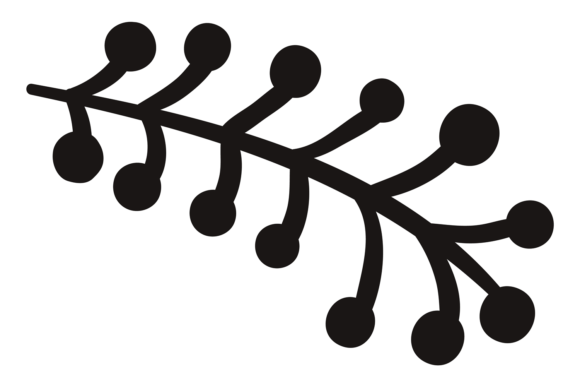
The Floral Branch is more than just an image; it is a foundational design element. Characterized by its clean lines, minimalist form, and isolation on a white background, this simple plant element embodies the essence of Scandinavian design principles: simplicity, functionality, and a connection to nature. Available in versatile formats like EPS and JPG, it serves as a ready-to-use graphic asset for professionals and hobbyists alike. This article explores how this unassuming motif can address common creative challenges and become a powerful tool in your projects.
The Core Design Challenge: Balancing Simplicity and Impact
Today's designers, marketers, and content creators face a constant pressure: to communicate clearly and attract attention in a visually saturated world. The goal is often to create designs that feel fresh, authentic, and uncluttered. This is where many encounter a significant need – finding high-quality, adaptable visual elements that don't overpower the message. Stock imagery can often be too complex or stylistically inconsistent, while creating custom illustrations from scratch requires time and skill not everyone possesses.
The Floral Branch. Simple Plant Element in T directly addresses this gap. It provides a pre-designed, stylistically coherent graphic that carries the calming, organic connotations of nature without the visual noise. Its isolated format means it integrates seamlessly into any layout, and its vector (EPS) and raster (JPG) versions offer flexibility for both print and digital applications. For anyone striving for a look that is both professional and warmly approachable, this element is a practical starting point.
Practical Applications and Transformative Outcomes
How can this specific asset move from your download folder into your active workflow? Its applications are vast, precisely because of its simplicity.
Brand Identity and Marketing Materials
For businesses aiming to convey eco-friendliness, wellness, or minimalist aesthetics, the Floral Branch can become a key visual identifier. It can be used subtly on website headers, as a watermark on photography, or as a repeating pattern on packaging. The outcome is a cohesive brand language that feels organic and crafted. For example, a small coffee shop might use it on its menu design to subtly emphasize a "natural, slow-living" experience without resorting to clichéd, complex botanical imagery.
Digital Content and Web Design
Web designers constantly seek elements that reduce cognitive load for users. This simple plant element can serve as a gentle divider between sections, a decorative bullet point in lists, or a transparent overlay to soften a background. Its use in email newsletters or social media graphics can immediately elevate the content's tone, making it feel more designed and less templated. The outcome is improved user engagement through a more pleasant and visually coherent experience.
Personal Projects and Home Decor
The audience for this asset extends beyond professionals. DIY enthusiasts, wedding planners, or individuals designing invites for a family event can utilize the Floral Branch. Simple Plant Element in T. It can be incorporated into custom greeting cards, wedding stationery, or even as a stencil reference for hand-painting on walls or fabrics. The outcome here is personalized, high-looking results without the need for advanced artistic ability.
Recommendations for Effective Implementation
To maximize the usefulness of this graphic, consider a few key approaches.
- Scale and Repetition: Don't be afraid to use it at vastly different sizes. A large, single branch can be a bold focal point, while a small, repeated pattern can create a sophisticated texture.
- Color Modification: While provided isolated on white, the vector EPS format allows you to easily change the color to match your palette. A monochrome version in grey or black can feel ultra-modern, while a soft pastel green can enhance the natural feel.
- Combination with Other Elements: The Floral Branch works excellently in combination with clean typography and geometric shapes. This juxtaposition—organic line against rigid form—is a hallmark of contemporary Scandinavian design.
- Context is Key: Remember that its strength is its simplicity. Avoid placing it in already busy compositions where it might get lost or add to the clutter. Let it breathe on ample white or neutral space.
Tailoring Use to Different User Perspectives
The way you employ the Floral Branch. Simple Plant Element in T will naturally differ based on your role and objectives.
For the professional graphic designer, it is likely a efficient base component. They might deconstruct it, use individual leaves from the branch in other compositions, or employ it as a mask in photo-editing software. Their focus is on integration and technical manipulation within a larger, branded system.
For the small business owner or marketer, it is a ready-made solution for consistency. They might use the same JPG file across their Facebook banners, blog post images, and printed flyers to create an immediate, recognizable visual theme. Their focus is on easy, repeatable application to build brand recognition.
For the creative hobbyist, it is a source of inspiration and a safe starting point. They might print it and use it for paper craft projects or trace its outline for a personal art piece. Their focus is on the element's aesthetic and the personal satisfaction of creating something beautiful.
Embracing Simplicity as a Solution
In a world where design choices can be overwhelming, the Floral Branch. Simple Plant Element in T offers a clear path. It solves the problem of finding appropriate, quality botanical graphics by providing one that is intentionally minimal and versatile. By focusing on this element's potential applications—from strengthening a commercial brand to beautifying a personal project—we see its true value. It is not just a picture of a plant; it is a design tool that empowers you to introduce calm, nature-inspired elegance into your work with efficiency and style. Whether you are an expert designer or someone taking your first steps into visual creation, letting this simple branch flourish in your compositions can lead to surprisingly impactful outcomes.